
Guide · Hair & scalp
Dandruff: what actually works
Updated October 2026 · 5 products reviewed · Sources at the end
The short answer
Dandruff is mostly driven by Malassezia, a yeast that lives on every scalp and feeds on its oil — not by a dry scalp. The fix is an antifungal shampoo (ketoconazole, piroctone olamine, climbazole, zinc pyrithione or selenium sulfide), left on for three to five minutes, two or three times a week until the flakes settle, then once a week to keep them away.
What causes dandruff
Everyone’s scalp carries Malassezia yeasts. In people prone to dandruff, the yeast breaks scalp oil down into fatty acids that irritate the skin, which then sheds faster than usual in visible flakes, often with itching.
That is why dandruff tends to be worse on oily scalps, in humid weather and when hair goes longer between washes — and why it comes back when treatment stops. An antifungal shampoo controls the yeast; it does not cure a condition.
A tight, dry scalp with fine white flakes and no oiliness can be plain dryness instead. That needs a gentler shampoo, not an antifungal.
Ingredients that work
Look for at least one antifungal. A keratolytic such as salicylic acid helps lift existing flakes but does nothing about the yeast on its own. Strengths are the ranges used in trials and permitted products; most Indian brands do not print theirs.
| Ingredient | What it does | Strength | Worth knowing |
|---|---|---|---|
| Ketoconazole | Antifungal (azole) | 1–2% | The strongest evidence. Sold in India as a medicated shampoo at pharmacies. |
| Piroctone olamine | Antifungal — starves the yeast of iron | 0.5–1% | Good trial evidence and gentle on the scalp. |
| Climbazole | Antifungal (azole) | Up to 0.5% | Works well alongside piroctone olamine. |
| Zinc pyrithione | Antifungal | 1–2% | The long-standing mainstream active; no longer permitted in EU cosmetics since 2022, still allowed in India. |
| Selenium sulfide | Antifungal; slows skin turnover | 1–2.5% | Effective, but can smell and discolour light or chemically treated hair. |
| Salicylic acid | Loosens and lifts flakes | Up to 3% | Does not kill the yeast; best paired with an antifungal. |
The shampoos we have reviewed, ranked
Every anti-dandruff shampoo we have reviewed, ranked by Isha’s rating, with the actives it carries and its price per ml at MRP.
| # | Product | Isha's rating | Actives | MRP | Best for |
|---|---|---|---|---|---|
| 1 | Scalpe Pro Daily Anti-Dandruff Shampoo | 3.7/5 | Climbazole, Piroctone Olamine, Zinc Pyrithione | ₹338₹1.69/ml | Oily scalps with persistent flaking that single-active shampoos have not shifted |
| 2 | Sebamed Anti-Dandruff Shampoo | 3.4/5 | Piroctone Olamine | ₹605₹3.02/ml | Mild, oily dandruff on a scalp that reacts to menthol, dyes or harsher medicated shampoos |
| 3 | WishCare AHA BHA Anti-Dandruff Shampoo Hydrating Formula | 3.3/5 | Salicylic Acid, Piroctone Olamine, Climbazole, Capryloyl Salicylic Acid | ₹259₹2.16/ml | Normal to oily scalps with mild flaking that want a sulfate-free, exfoliating anti-dandruff wash |
| 4 | Bare Anatomy Expert Anti-Dandruff Shampoo | 3.1/5 | Piroctone Olamine, Salicylic Acid | ₹484₹1.94/ml | Normal to oily scalps with mild to moderate flaking, especially if you want a sulfate-free or zinc-pyrithione-free wash |
| 5 | L'Oréal Professionnel Serie Expert Scalp Advanced Anti-Dandruff Dermo-Clarifier Shampoo | 3.0/5 | Piroctone Olamine | ₹935₹3.12/ml | Normal to oily scalps with mild to moderate dandruff, if you like the salon feel and do not mind paying for it |
None of these scores above 4 yet. The strongest formula we have reviewed is Scalpe Pro, with three antifungals at stated levels — but also fragrance, dye, menthol and a formaldehyde-releasing preservative. We have not yet reviewed a ketoconazole shampoo, the first thing a dermatologist usually reaches for, and it is next on our list.
Best anti-dandruff shampoos in India →How to use an anti-dandruff shampoo
- Massage it into the scalp, not the lengths of your hair.
- Leave it on for three to five minutes before rinsing. Contact time matters: in a split-scalp trial, a five-minute leave-on clearly improved results.
- Use it two or three times a week until the flaking settles — usually two to four weeks — then once a week to keep it away.
- Condition the lengths only, especially after a sulfate-based anti-dandruff shampoo.
- If one stops working, alternate it with a shampoo built on a different antifungal.
- If you oil your hair, wash the oil out with the anti-dandruff shampoo; oil left on the scalp gives the yeast more to feed on.
When to see a dermatologist
These can point to seborrhoeic dermatitis, psoriasis or a fungal infection rather than ordinary dandruff:
- Red, thick or greasy yellow scales, or flaking on the eyebrows, sides of the nose, behind the ears or on the chest
- A scalp that bleeds, oozes or hurts
- Patches of hair loss, or scaly patches with hair loss in a child
- No improvement after four weeks of using an antifungal shampoo properly
Questions people ask
Is dandruff caused by a dry scalp?
Usually not. Most dandruff is driven by Malassezia yeast feeding on scalp oil, which is why it is often worse on oily scalps. A genuinely dry scalp gives finer, drier flakes and needs a gentler shampoo rather than an antifungal.
Does oiling help dandruff?
Not usually, and it can make it worse. Malassezia feeds on scalp oils, so oil left on the scalp gives it more to eat. If oiling is part of your routine, keep it to the lengths or wash it out with your anti-dandruff shampoo.
Does dandruff cause hair fall?
Not directly — dandruff does not damage hair follicles. An inflamed, itchy scalp and constant scratching can add to shedding, though. Patchy hair loss is a reason to see a dermatologist.
Can I use an anti-dandruff shampoo every day?
You can, but you rarely need to. Two or three times a week is enough to bring flaking under control; daily use mostly adds dryness, especially with sulfate-based formulas.
Why does my dandruff keep coming back?
Because the shampoo controls the yeast rather than removing it, so it regrows once you stop. A weekly maintenance wash keeps most people clear.
Read next
Every product in this guide
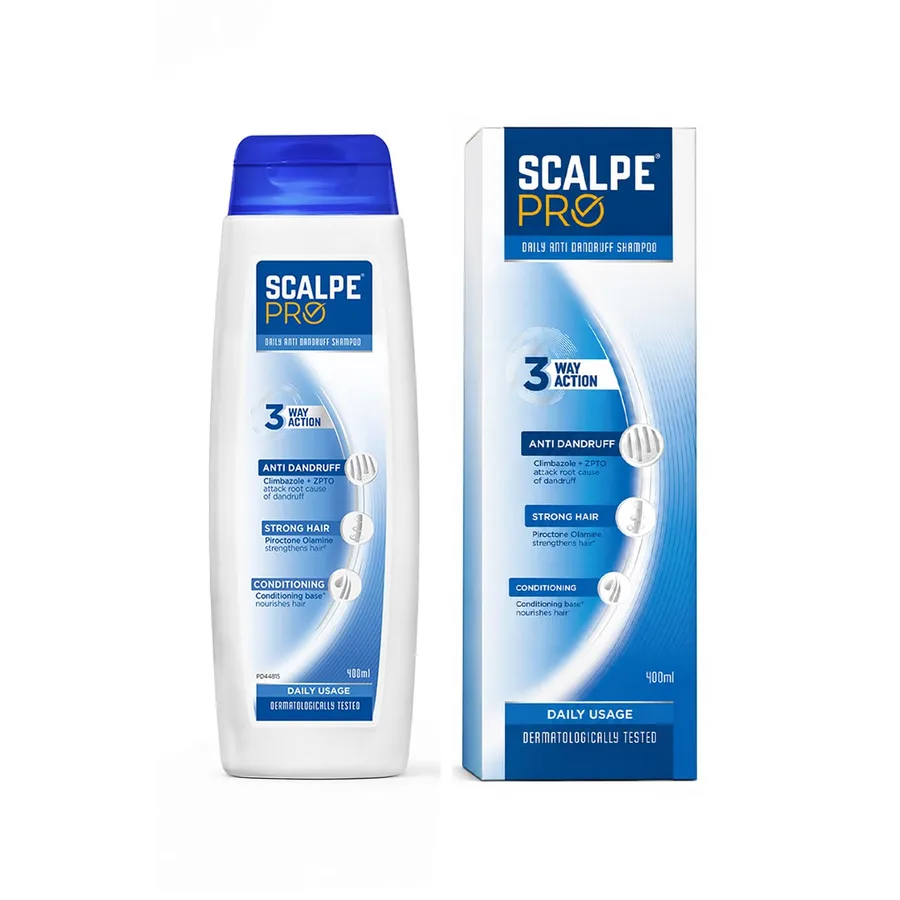
Pro Daily Anti-Dandruff Shampoo
Pharmacy anti-dandruff shampoo stacking three antifungals — climbazole, piroctone olamine and zinc pyrithione — in an SLES base.
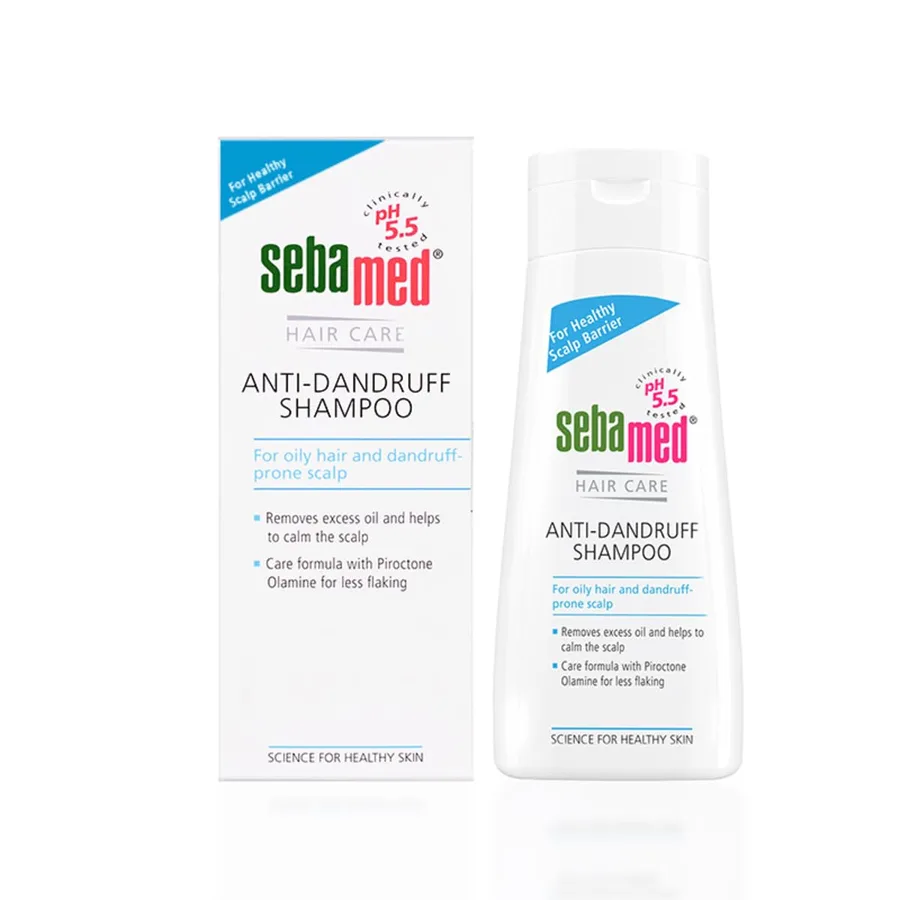
Anti-Dandruff Shampoo
A gentler-than-usual piroctone olamine shampoo at pH 5.5 — free of dyes and menthol, but SLES-based, single-active and pricey per ml.
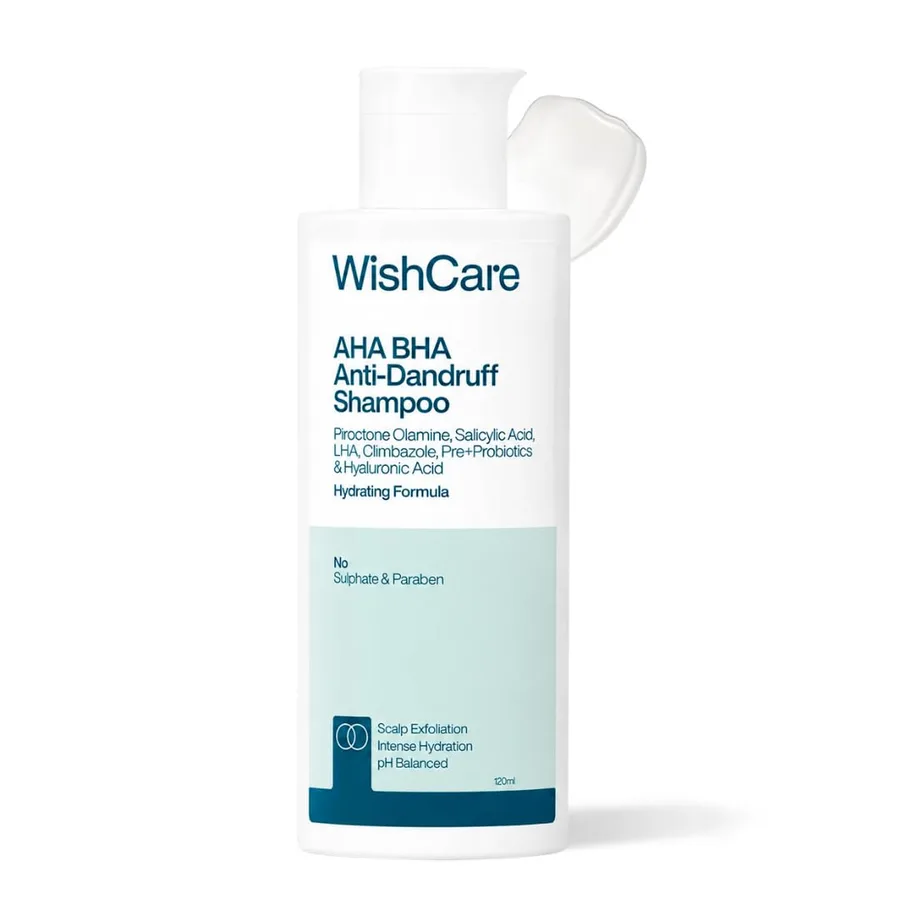
AHA BHA Anti-Dandruff Shampoo Hydrating Formula
Sulfate-free shampoo that discloses 2% salicylic acid and 0.3% piroctone olamine — sensible for mild flaking, but “proven clinically” is a consumer survey.
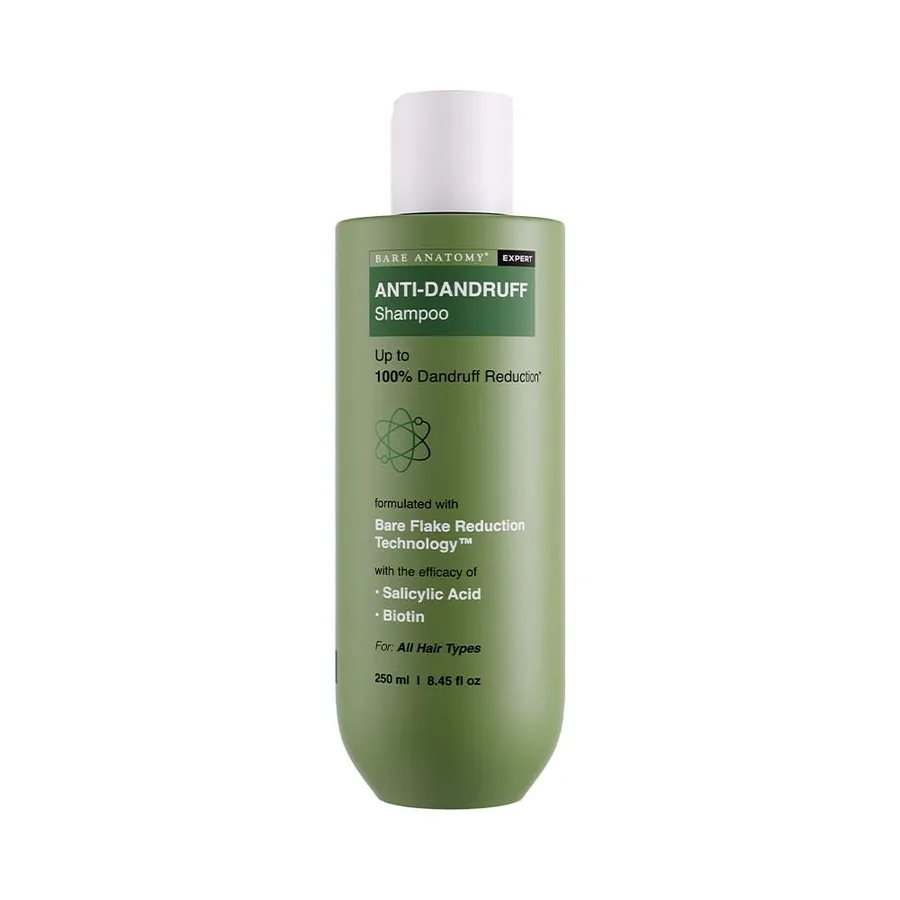
Expert Anti-Dandruff Shampoo
Sulfate-free shampoo with a sound pairing of piroctone olamine and salicylic acid — undisclosed doses and inflated claims hold it back.
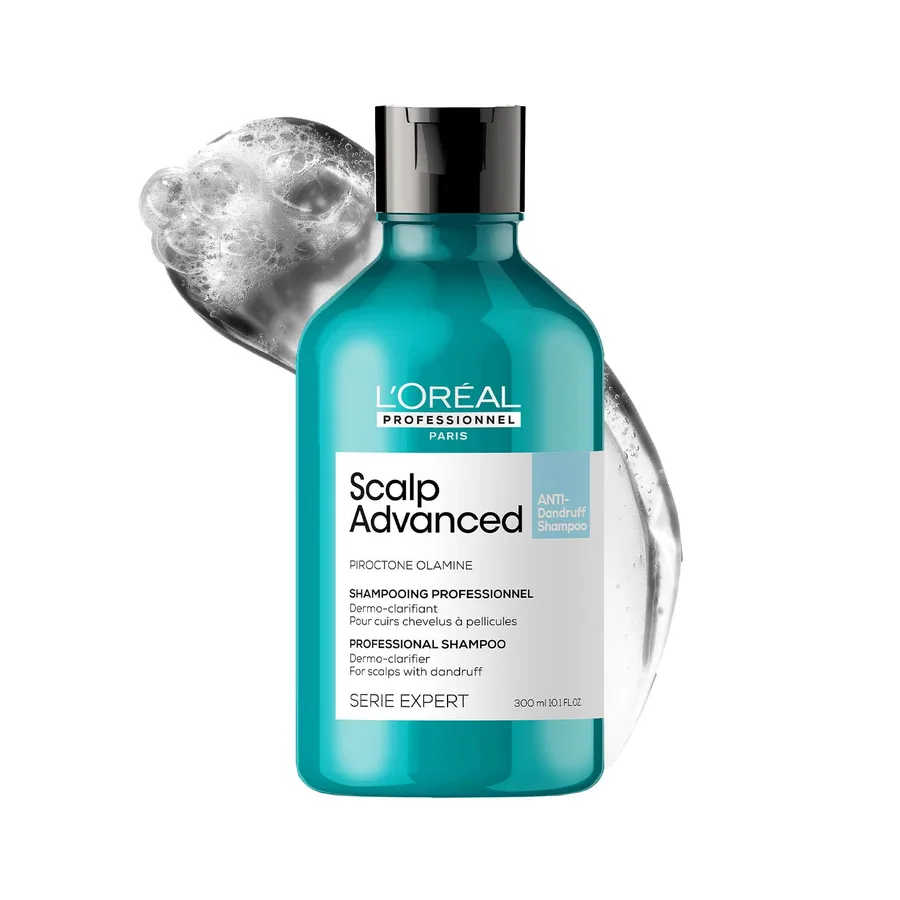
Serie Expert Scalp Advanced Anti-Dandruff Dermo-Clarifier Shampoo
Salon-priced anti-dandruff shampoo built on SLES and a single, undisclosed dose of piroctone olamine — it works, but costs nearly twice Scalpe Pro per ml.
Sources
- Dandruff: the most commercially exploited skin disease (Indian J Dermatol, 2010)
- Understanding the scalp: dandruff and seborrheic dermatitis (J Cutan Med Surg, 2025)
- Diagnosis and treatment of seborrheic dermatitis (Am Fam Physician, 2015)
- Effect of residence time on the efficacy of antidandruff shampoos (Int J Cosmet Sci, 2003)
- Piroctone olamine/climbazole shampoo vs zinc pyrithione (Int J Cosmet Sci, 2011)